
Enhancing and Sustaining Women’s Economic Participation in India’s Informal Sector
July 2024 - June 2027
Ford Foundation
India
India, one of the fastest-growing economies in the world, is also home to one of the largest informal sectors globally. A majority of businesses and workers operate outside formal systems of registration, taxation, and regulation, lacking contracts, social security, and access to formal credit. Yet, the informal sector contributed approximately 45 per cent of India’s GDP in 2022–23 (PIB, 2025) and employs millions of workers, particularly the poor, migrants and women.
For women, informal work is not just prevalent—it is defining. Indian women’s participation in the workforce is overwhelmingly shaped by informality, entrenched gender norms, and structural labour market barriers. Women informal workers continue to face layered structural barriers that limit their ability to access, sustain, and advance in dignified and remunerative livelihoods. These barriers include limited access to market-relevant skills, lower wages, occupation segregation, constrained mobility, unpaid care responsibilities, limited access to social protection, unsafe work environments, and weak or exclusionary market linkages—particularly in rapidly digitising labour markets.
Amidst this, the consortium partners are implementing contextually grounded initiatives to strengthen informal women workers’ (IWWs) economic participation in India. Sambhav Foundation, Lok Swasthya Sewa Trust (LSST), HomeNet South Asia (HNSA) and its member organisations – Social Awareness and Voluntary Education (SAVE) and SEWA Bharat, and the Society for Labour and Development (SLD) are leading efforts to address structural and contextual barriers affecting IWWs entry into and retention within the labour market. These initiatives span multiple sectors and geographies and engage with issues of livelihoods, care responsibilities, access to social protection, workplace safety, collective organising, and institutional accountability. These partners are taking forward the identified strategies through tailored interventions with specific occupational groups.
Alongside these field-based efforts, the International Center for Research on Women, as the research and learning partner, is undertaking a collaborative research and learning initiative in close partnership with the programme partners. The initiative seeks to systematically document and synthesise insights emerging from implementation experiences, identify promising and scalable approaches, and centre informal women workers’ lived realities, aspirations, and constraints.
WHAT ARE WE SETTING OUT TO DO?
Through this learning project, ICRW aims to build a robust evidence base on what works, what doesn’t, and why in enhancing women’s economic participation. This involves a deeper understanding of individual partners’ intervention models, as well as identifying common patterns, challenges, and lessons emerging across these models within the broader ecosystem of informal women workers. This project seeks to document and analyse the strategies implemented by different partners to address the challenges faced by IWWs, examine how these interventions shape women’s personal lives and livelihood trajectories, and understand the roles played by different stakeholders in enabling or constraining their economic participation.
Using a gender and intersectional lens, the project will document the transformative journeys of IWWs, examining how their experiences, identities, and socio-economic circumstances shape their pathways of change. It will also create spaces for collective reflection and critical analysis, bringing together insights and learnings from partners’ implementation experiences to identify shared challenges, promising practices, and opportunities for strengthening interventions.
The evidence and learnings generated through this process will be synthesised to inform future investments, programme strategies, and cross-sectoral collaborations aimed at expanding women’s access to, entry into, and retention in safe, dignified, and remunerative work. Through these efforts, the project seeks to contribute to advancing women’s economic security and justice.
WHAT METHODS ARE WE USING?
The research and learning project draws on four complementary approaches: evidence review, programme documentation, a primary study, and learning and reflection processes. Together, these approaches aim to deepen our understanding of the barriers faced by informal women workers (IWWs), document and analyse different intervention models and their implementation, and examine the pathways of change experienced by women programme participants. The project also creates spaces for collective reflection and learning with diverse stakeholders to explore what works, what does not, and why, and how emerging evidence can inform efforts to advance women’s economic empowerment in India.
- Evidence Review: ICRW is undertaking an extensive review of existing literature to understand the barriers faced by IWWs, the solutions and interventions adopted by governments, civil society organisations (CSOs), and other stakeholders to address these barriers, and the legal and policy frameworks that shape their lives and livelihoods. The review also helps situate the intervention models and emerging learnings within the broader evidence base on women’s economic participation and empowerment.
- Programme Documentation: ICRW is documenting and analysing programme implementation processes as they unfold across partner sites. This involves mapping the different intervention models, identifying implementation enablers and barriers, examining the strategies adopted to address emerging challenges, and understanding how the models evolve over time.
- Primary Study: To strengthen the evidence base and inform the learning processes, ICRW is conducting a mixed-methods primary study comprising focus group discussions (FGDs), in-depth interviews (IDIs), and quantitative surveys with women programme participants and other key stakeholders. The study seeks to understand women’s experiences and pathways of change, including the factors that enable or constrain these processes at individual and collective levels across different intervention models and contexts.
- Learning and Reflection: Learning and reflection are integral to the project. Insights emerging from the evidence review, programme documentation, and primary study are brought into learning circles, roundtables, and convenings involving consortium partners, policymakers, researchers, philanthropists, corporate social responsibility (CSR) representatives, private sector actors, and other experts. These spaces facilitate collective reflection and critical analysis of emerging evidence, implementation experiences, and diverse perspectives from across the ecosystem.
DISSEMINATION
A dissemination event is planned for 2027 to bring together and share key insights and learnings emerging from the research and learning project across thematic areas, including safety, unpaid care, skilling, and digitisation. The event will bring together key stakeholders from the informal women workers (IWWs) ecosystem, including civil society organisations (CSOs), government representatives, funders, private sector actors, and other relevant stakeholders. It will provide an opportunity to reflect on cross-cutting learnings from different intervention models, identify common challenges and promising practices, and explore how these insights can inform future investments, policies, programmes, and cross-sectoral collaborations aimed at expanding women’s access to, entry into, and retention in safe, dignified, and remunerative work.
Meet the Team

Pranita Achyut
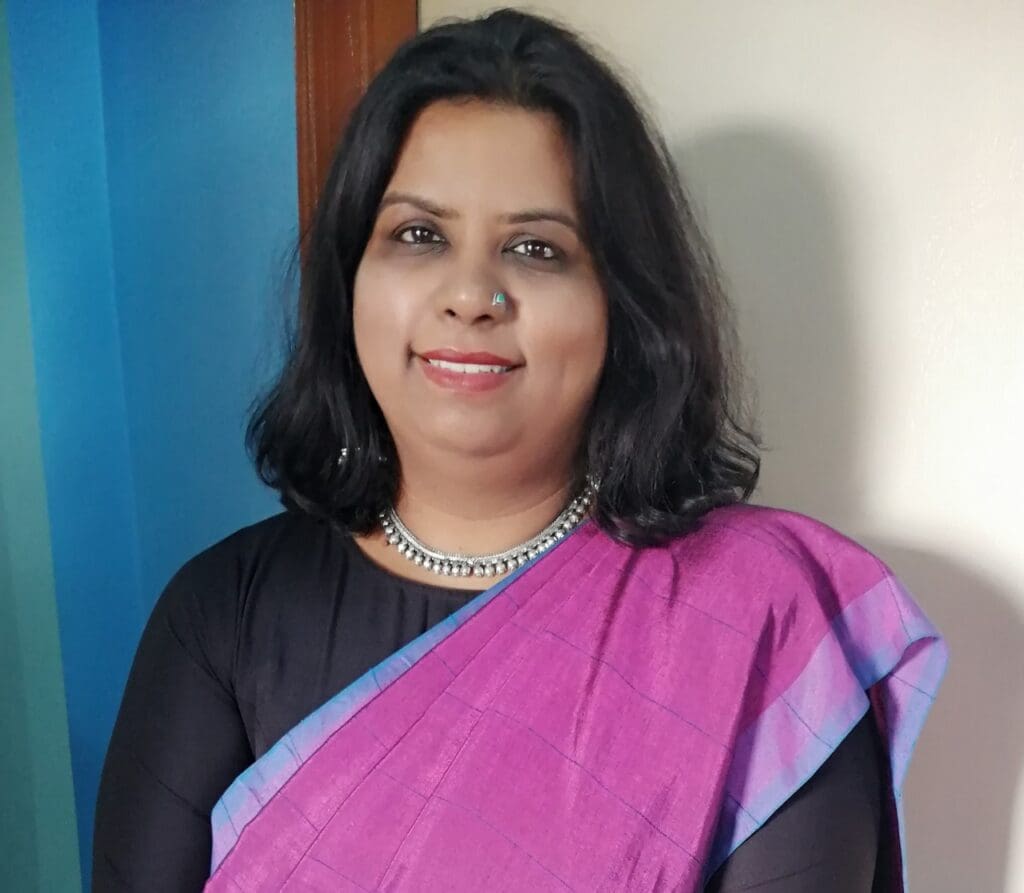
Anweshaa Ghosh
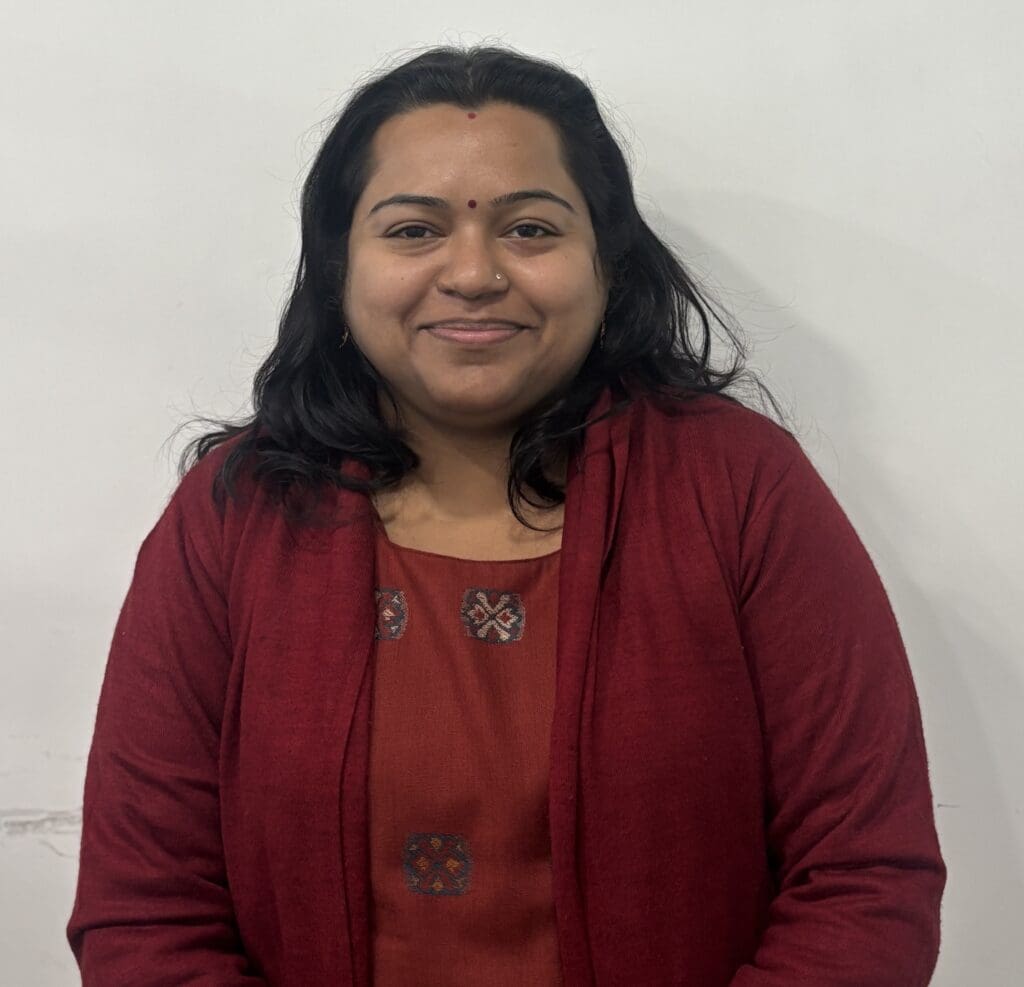
Shiney Chakraborty
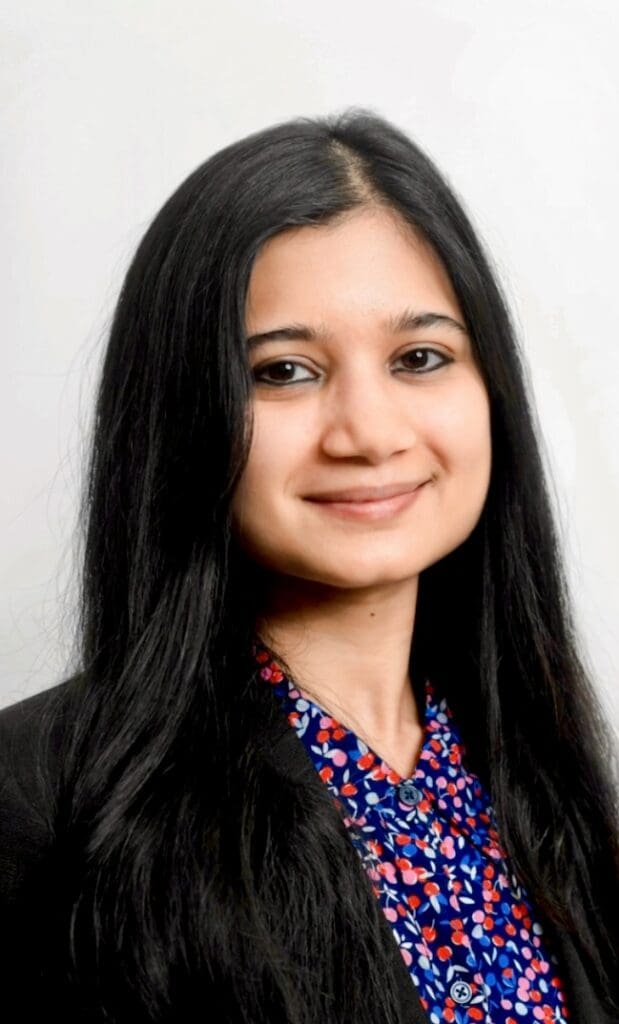
Ayesha Datta