ARCHITECTS OF CHANGE
For 50 years, ICRW has partnered with communities to advance rights and opportunities for women, girls, and gender diverse people. We’ve turned evidence into action, informing policies, shifting norms, and improving lives globally. We are committed to unlocking the promise of gender equity—and creating an inclusive, sustainable, and prosperous world where we can all thrive.
UNFINISHED UNAFRAID UNSTOPPABLE
We’ve made incredible progress since our founding in 1976, but our work is still unfinished. At a time of growing global resistance to gender equity and rights, our mission is urgent, and we’re evolving to meet the moment unafraid.
We transformed from a traditional INGO into a decentralized global network consisting of three regional entities—ICRW-Africa, ICRW-Americas, and ICRW-Asia. Even as our structure changed, we continued to help make the invisible visible—driving bold action for gender equity. We are unwavering in our resolve to build the equitable future we all need and deserve.
At the heart of it all are people like you—visionaries, innovators, collaborators, changemakers, advocates, and communities that power our work. Your commitment and partnership make our movement unstoppable.
THE NEXT 50 YEARS
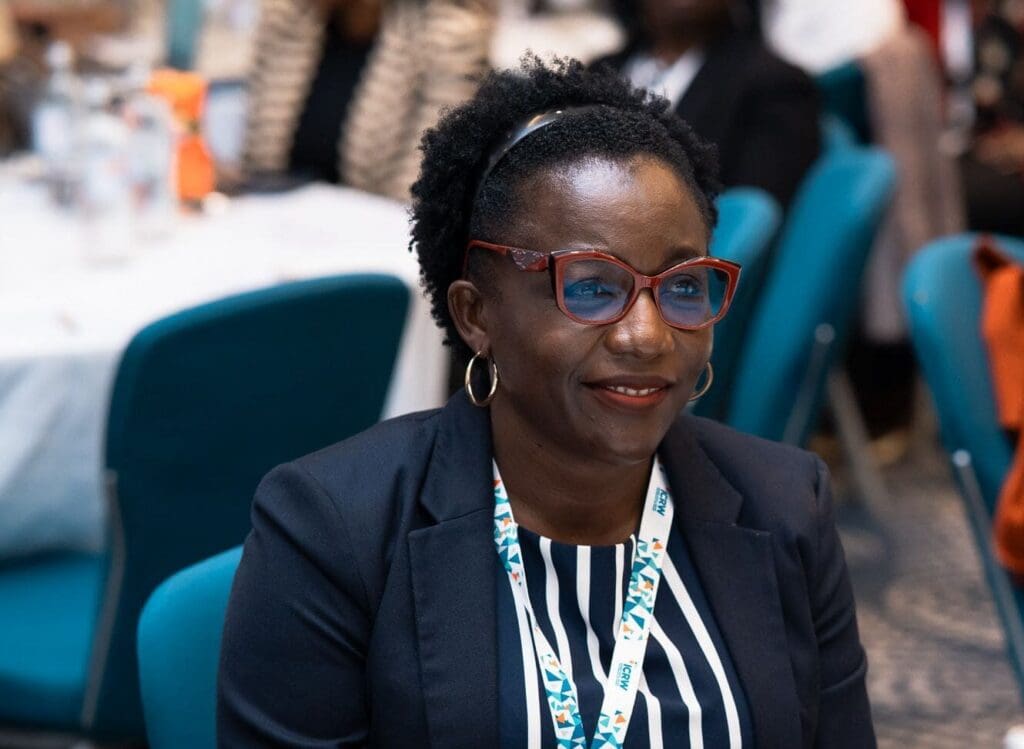
There is urgent need for recognition, support, and policies that ensure no woman navigates menopause in silence or without care.
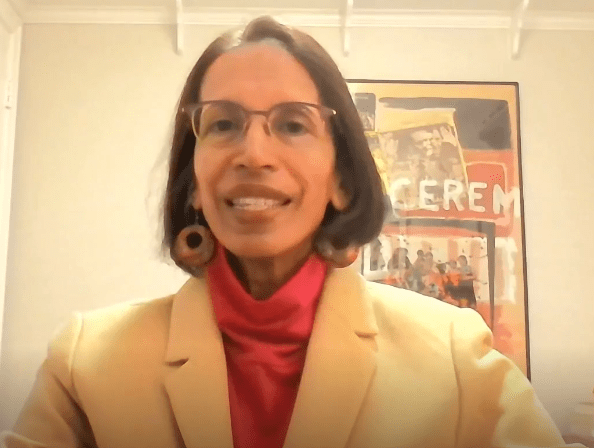
If transformation must occur, it has to emerge from lived realities. It must be grounded in how people negotiate their lives every day, not in abstract theories.
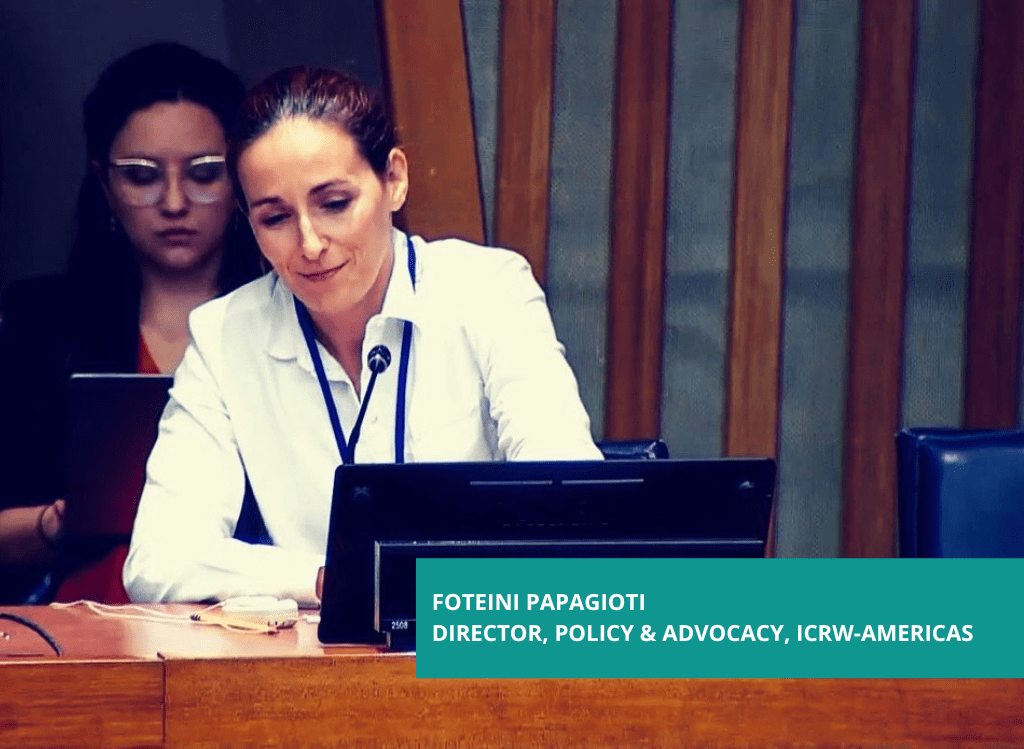
Progress must also be redefined. It must be judged by whether gaps are closing, resources are shifting, and power is redistributed.
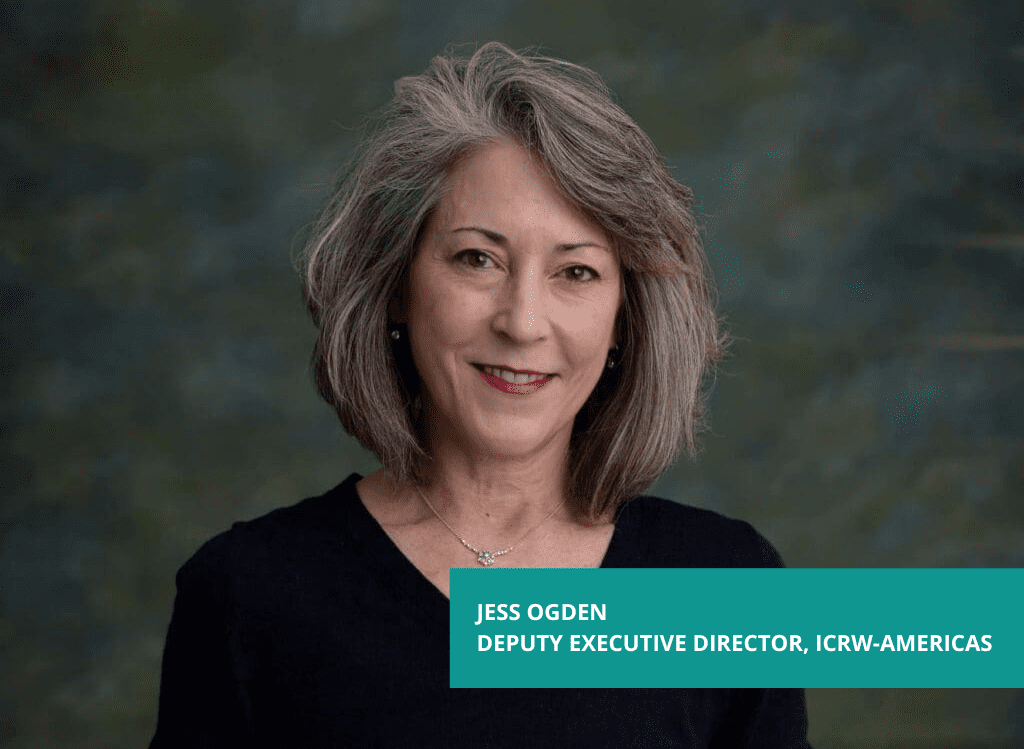
The path forward includes building proactive, evidence-informed counter-narratives that refute misinformation and articulate the world we stand for.
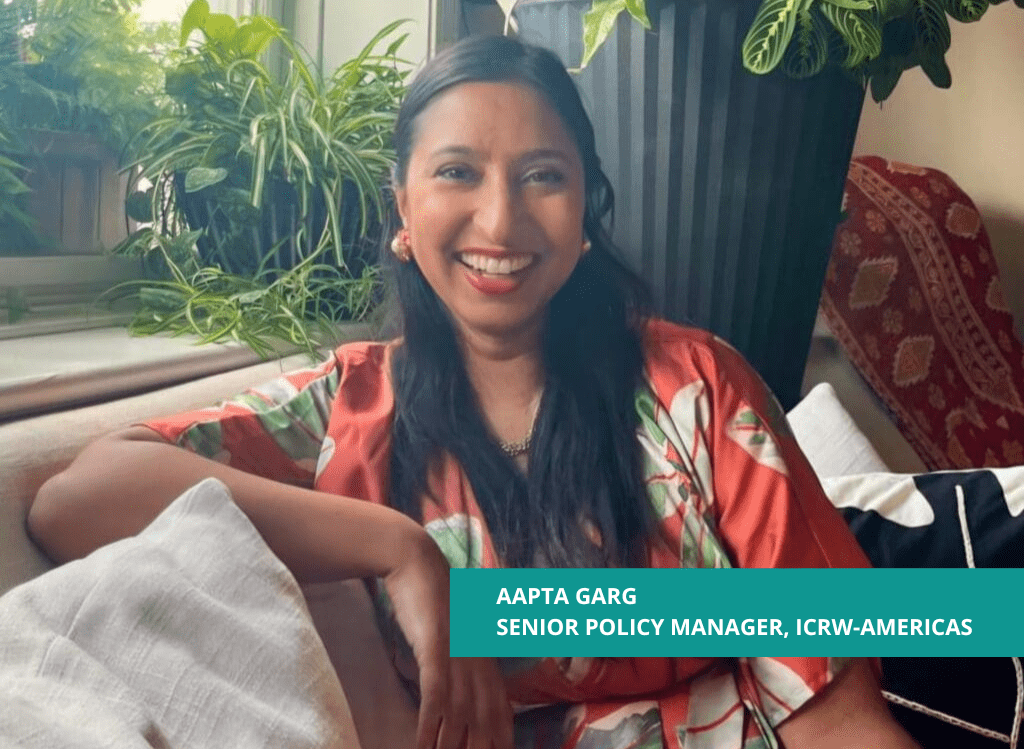
Investing in sexual and reproductive health and rights is not separate from economic development—it’s fundamental to it.
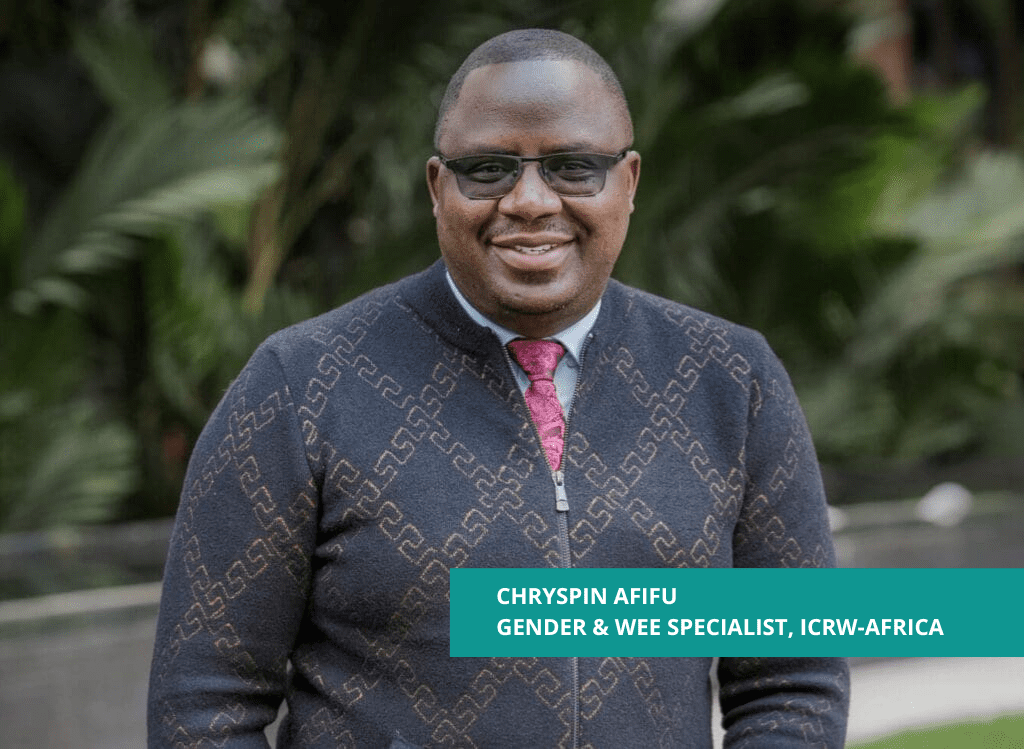
With structural reforms, innovative coalitions, sustained political will, and audacious investments, we can accelerate women’s economic empowerment.
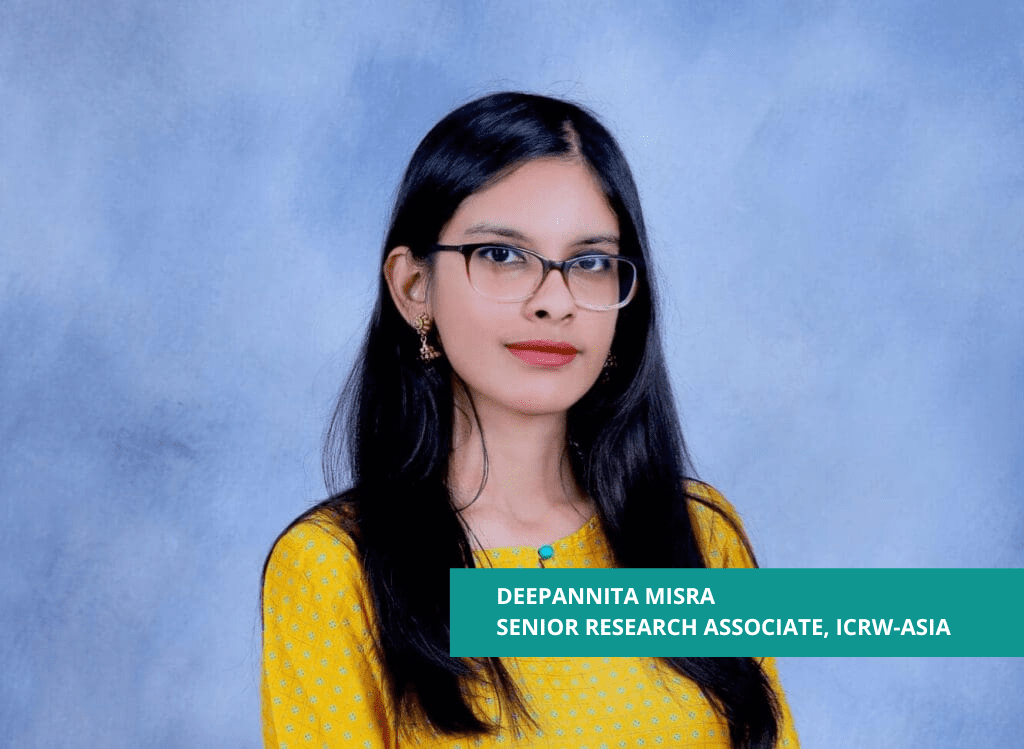
We must advance research that positions women not as passive beneficiaries but as active agents shaping inclusive and sustainable climate solutions.
OUR PODCAST
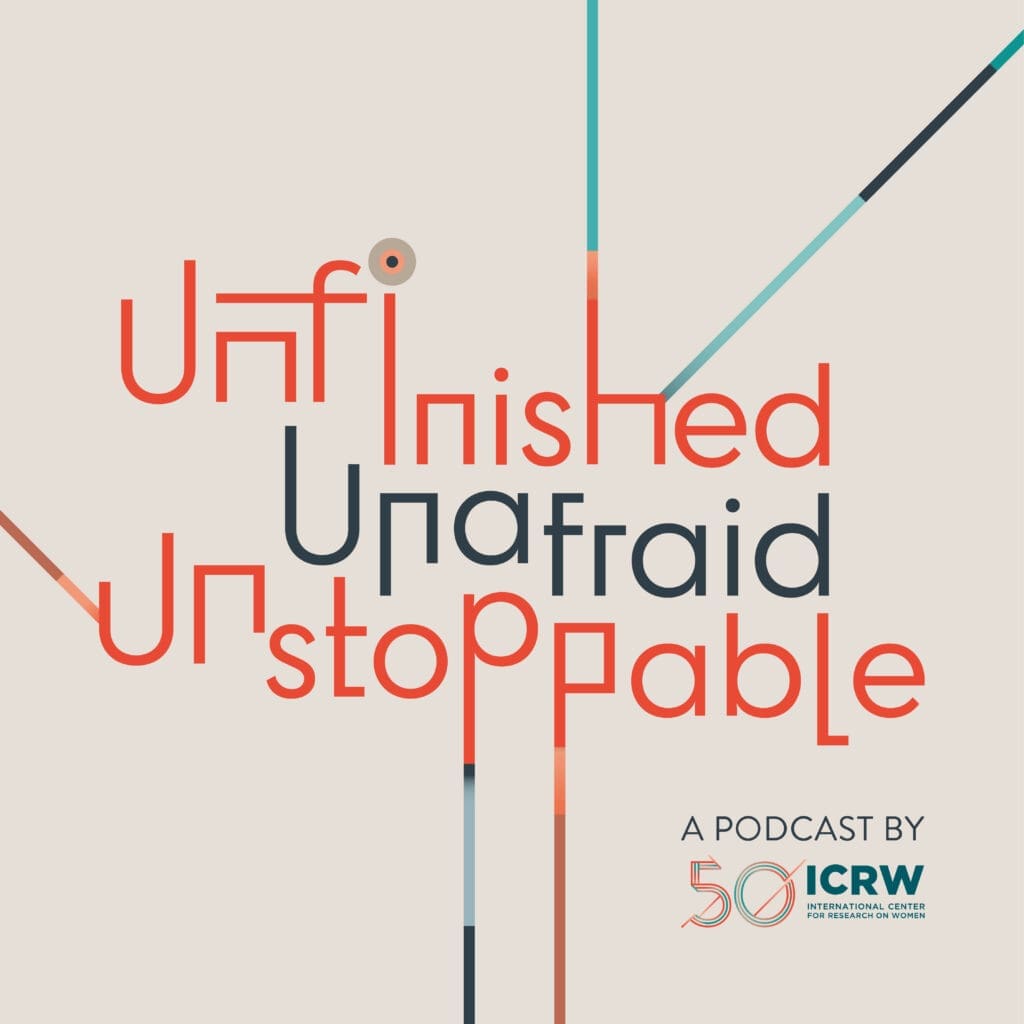
Introducing Unfinished. Unafraid. Unstoppable. — A podcast by ICRW
This season, we go beyond analysis to reveal the pivotal decisions that have advanced gender equality—often in moments of real risk, resistance, and uncertainty. In each episode, ICRW experts sit down with visionaries, changemakers, and disruptors who are driving progress globally. Through candid, evidence-based conversations, guests unpack the bold choices they made, the backlash they faced, the trade-offs they navigated, and the narratives they had to challenge to create lasting change.
50 YEARS OF EVIDENCE. ACTION. IMPACT.
ICRW Is Founded
ICRW is founded as a program of the Federation of Organizations for Professional Women in response to the first International Women’s Conference in Mexico.
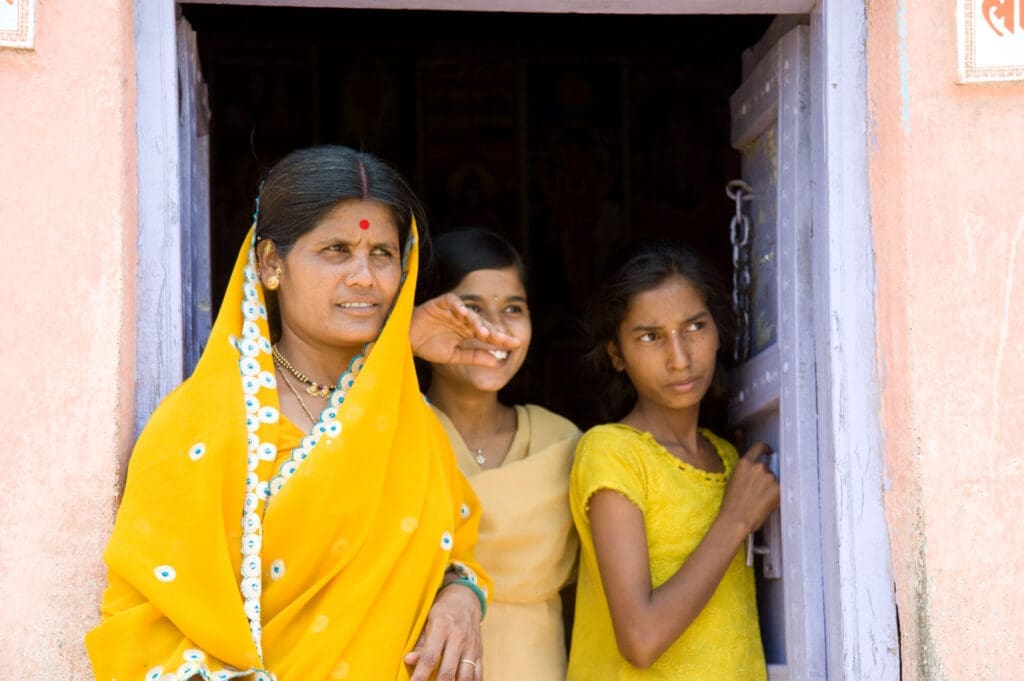
Development Planning
With the publication of Women-Headed Households: The Ignored Factor in Development Planning, ICRW established, for the first time, why poverty alleviation programs should consider family structures, particularly those led by women.
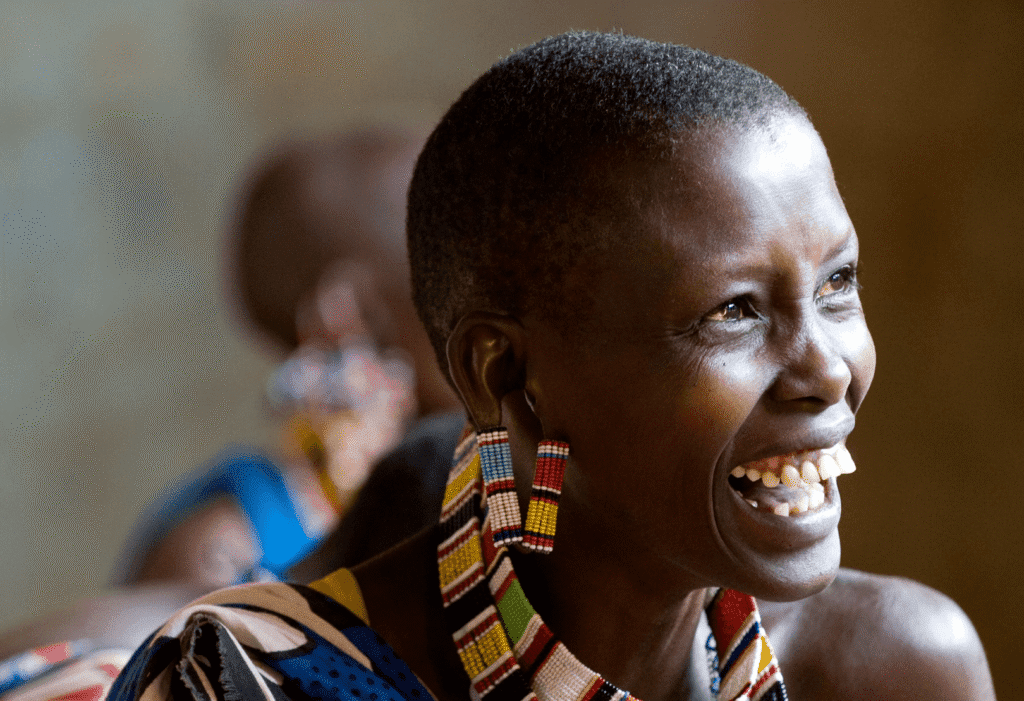
Global Commitment to Women’s Rights
The UN adopted CEDAW, the Convention on the Elimination of All Forms of Discrimination Against Women. Often called the international bill of rights for women, it commits governments to dismantling legal and structural discrimination.
Defining Women’s Poverty Globally
ICRW’s founding member and President, Mayra Buvinic, published Women and Poverty in the Third World, identifying the characteristics and experiences of women living in poverty. The book challenged assumptions that poverty is gender-neutral and established women’s economic marginalization as a development failure, laying the groundwork for gender-responsive policy design.
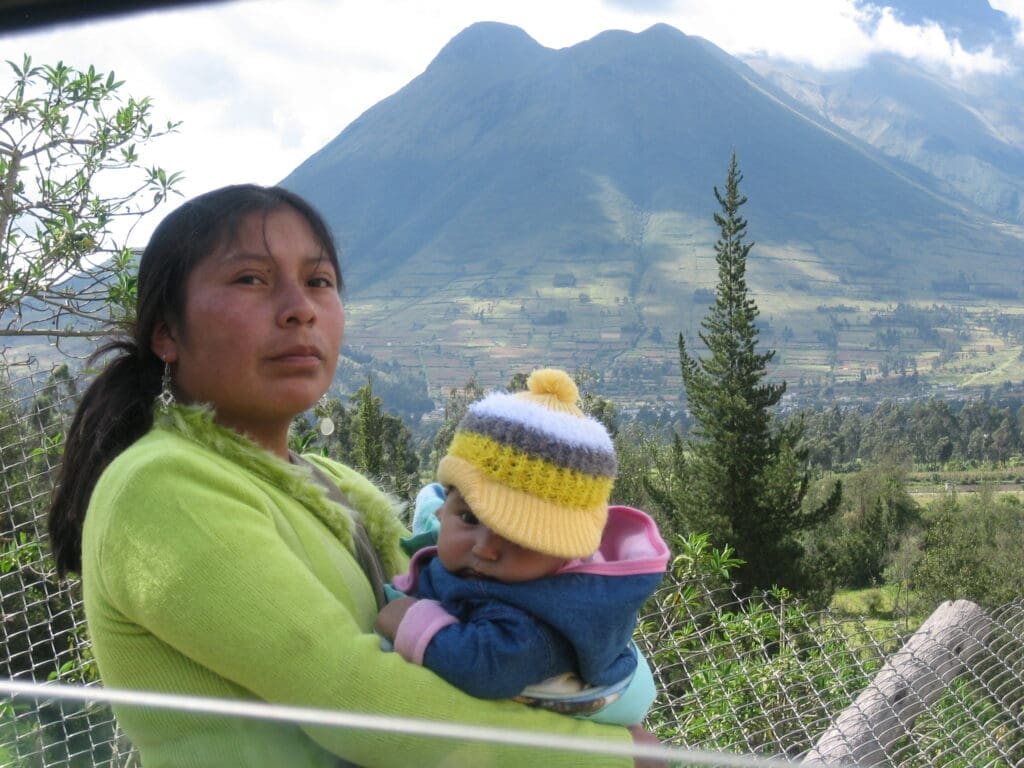
Gender and Financial Inclusion
ICRW’s research in Latin America demonstrated that when credit programs were designed to meet poor women’s needs for smaller loans and nontraditional forms of collateral, women repaid their loans at rates often higher than those of men. Today, millions of women worldwide benefit from microfinance programs.
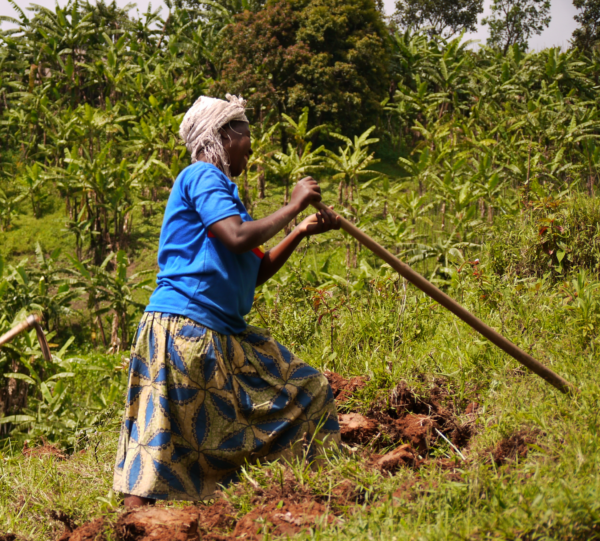
Women and Agriculture
ICRW published Women in Agriculture: What Development Can Do, describing women’s roles in farming systems, the impact of agricultural technologies on women’s productivity, and an agenda for how development assistance can support their role.
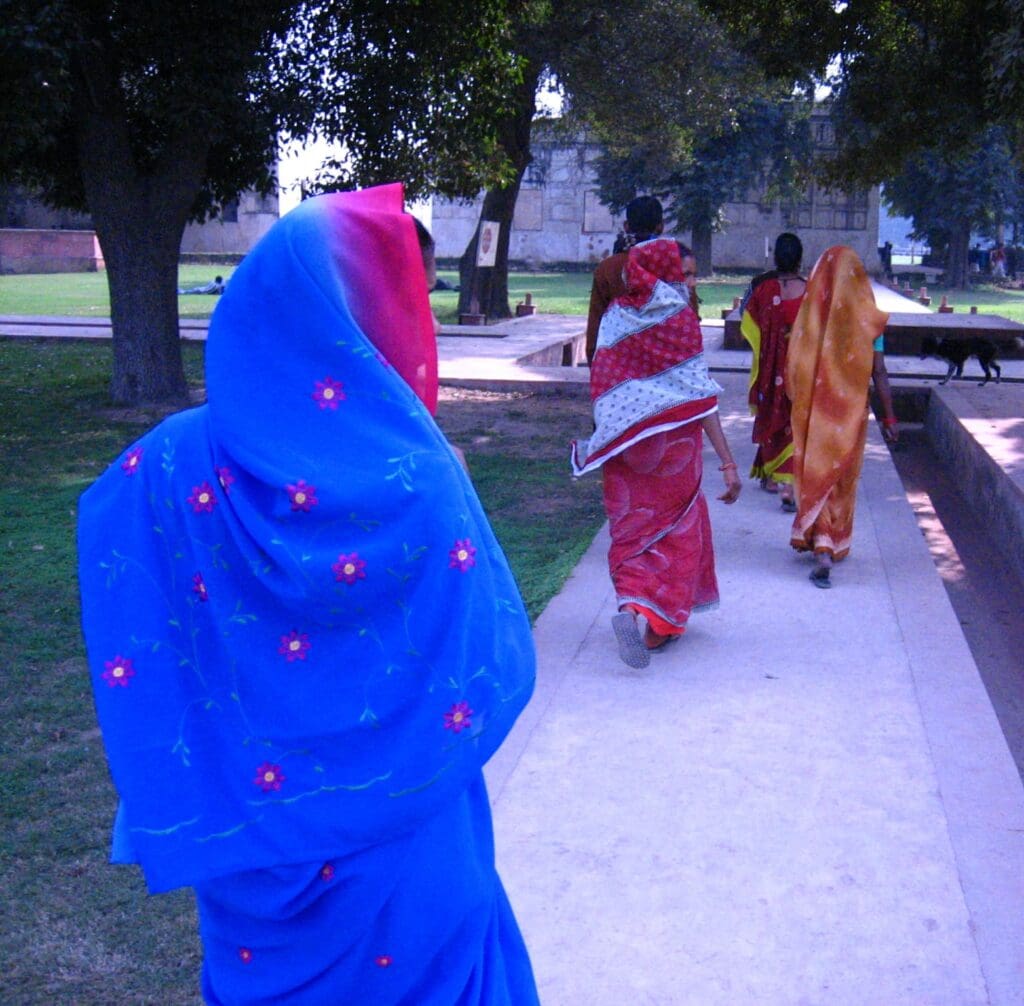
Women and HIV/AIDS
ICRW launched a pioneering research program in 13 countries in Africa, Asia, and Latin America to investigate the factors that increase women’s vulnerability to HIV. This program played a pivotal role in identifying the social and economic roots that make women and men alike susceptible to HIV/AIDS in different ways. It raised global awareness and shaped how the gender and development sector views the role of gender in health and social change to this day.
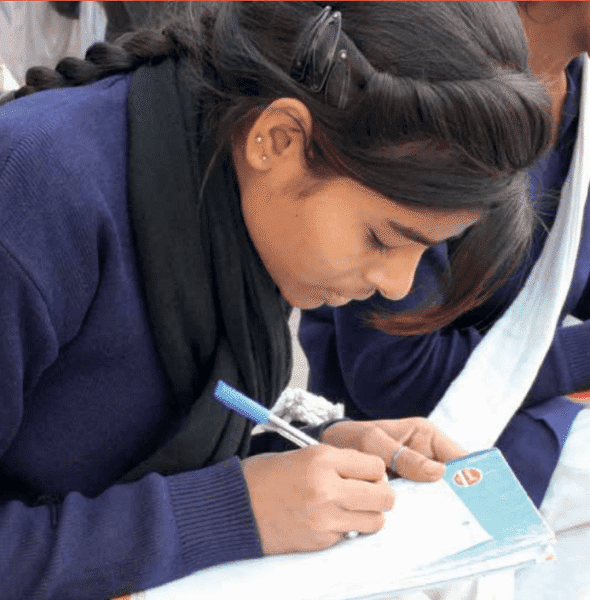
Adolescent Reproductive Health
ICRW launched a 10-year project to improve adolescent reproductive health in India, where half the population is under 25. Our research found that gender-based constraints—including a lack of power among young women—are at the root of health behavior and risks. ICRW and its local partners design, implement, and evaluate multiple interventions to address these issues.
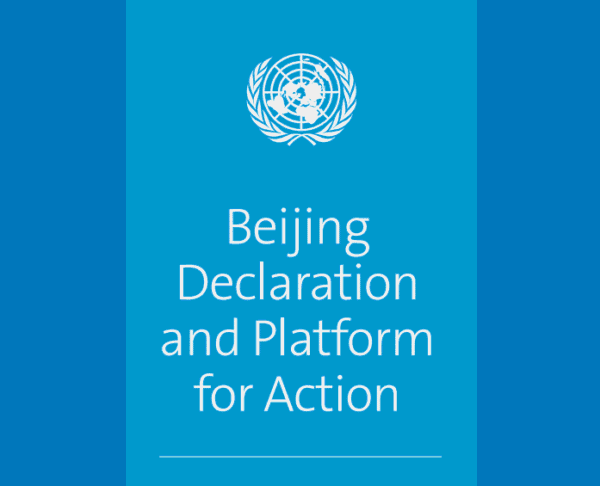
The Beijing Platform for Action
At the Fourth World Conference on Women, governments adopted the Beijing Declaration and Platform for Action, setting a comprehensive global agenda for gender equality.
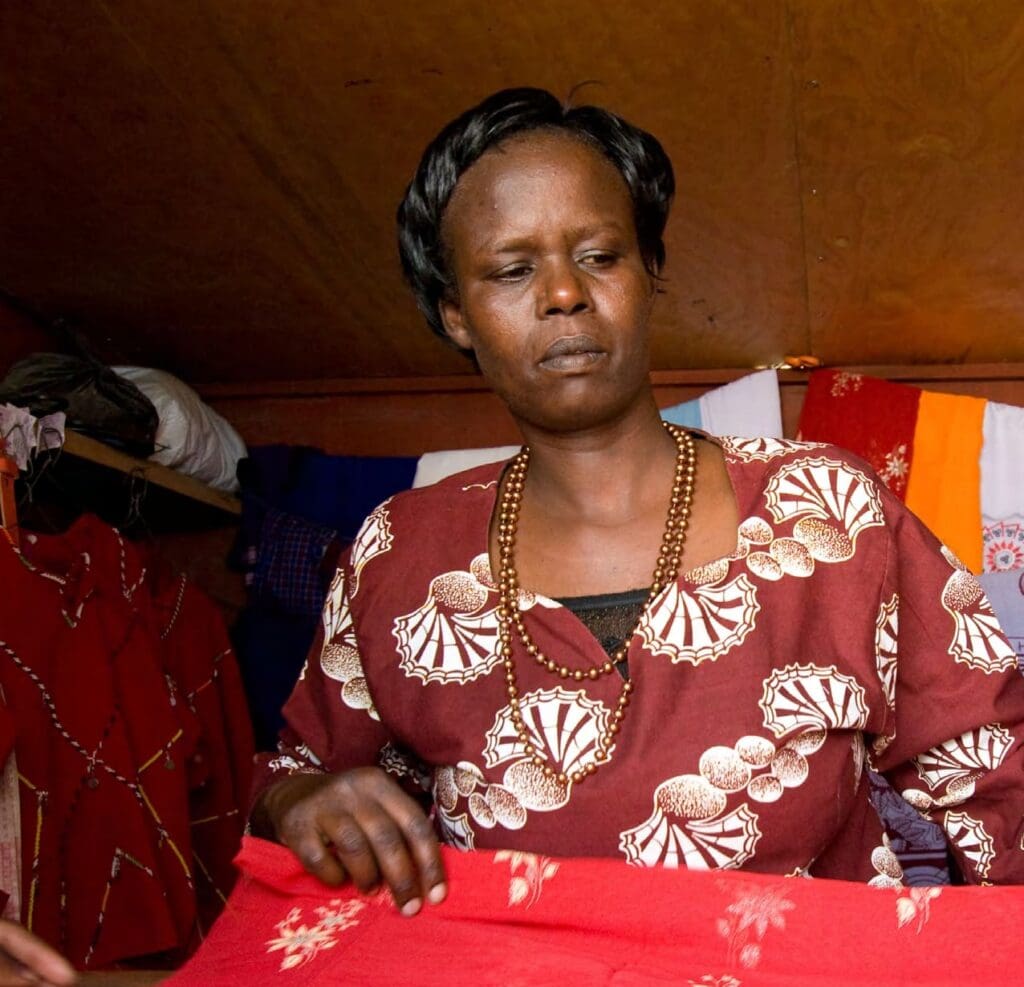
Women-Headed Households
ICRW Founder Mayra Buvinic and President Geeta Rao Gupta called on the global development community to focus on the contributions and barriers to development efforts of female-headed households in a journal article. The authors noted that women who head households are “triply disadvantaged” by the “burdens of poverty, gender discrimination, and the absence of support.”
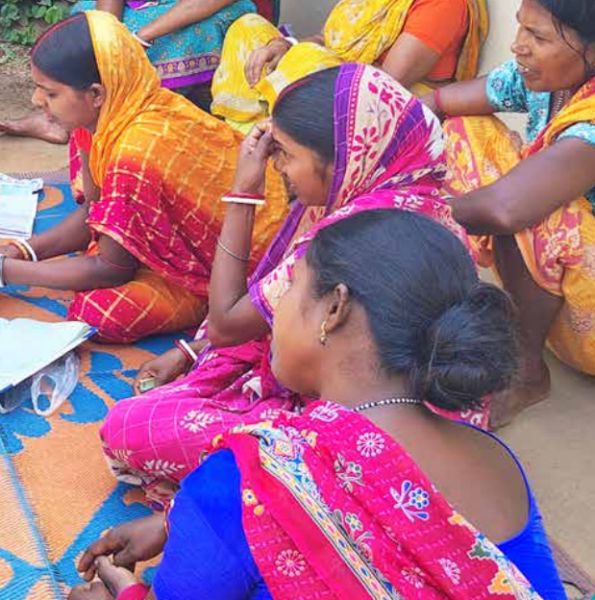
ICRW-Asia
ICRW established a local office in New Delhi, India, to coordinate a groundbreaking five-year study to document the prevalence and drivers of domestic violence. The findings were used to successfully advocate for the 2005 passage of a national law to decrease domestic violence.
Tackling HIV Stigma
ICRW research in Botswana and Zambia identified stigma as a key barrier to the use of services to prevent HIV transmission from mother to child. This initial research paved the way for ICRW’s global leadership in building evidence on how to effectively address stigma.
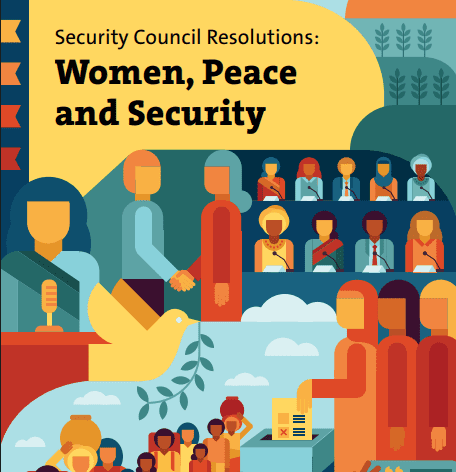
Women, Peace and Security
The UN adopted Resolution 1325, recognizing women as essential to peacebuilding and conflict resolution.
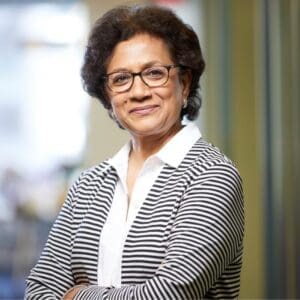
Gender Frameworks for HIV/AIDS
At the 13th International AIDS Conference in South Africa, ICRW President Geeta Rao Gupta delivered a plenary address on Gender, Sexuality, and HIV/AIDS: the What, the Why, and the How. The speech and resulting journal article provided the HIV/AIDS community with a framework for shaping the gender-responsiveness of AIDS programming. It also introduced a framework for understanding gender programming (from gender-blind to gender-transformative) that has influenced generations of development programs.
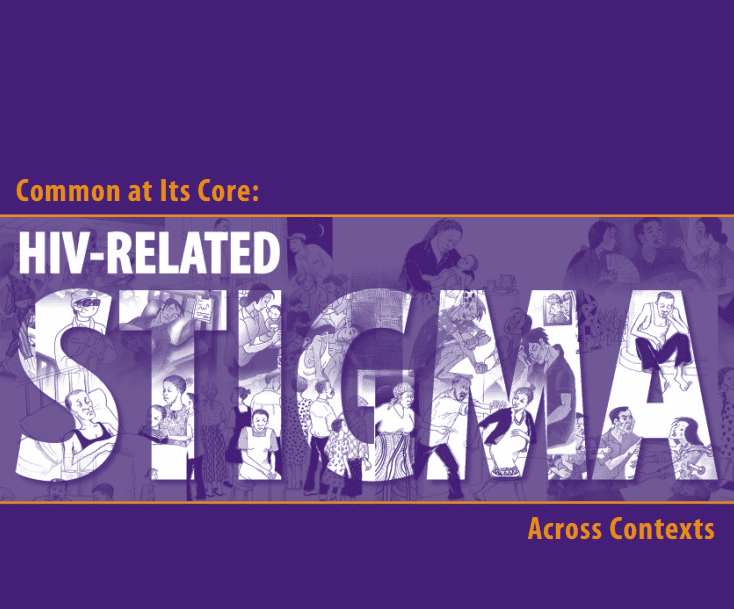
Ending HIV Stigma
Through a series of studies, ICRW set out to understand and eventually challenge HIV-related stigma and discrimination. The first set of studies was conducted in Ethiopia, Tanzania, and Zambia, and the second set in Vietnam. This work led to the development, implementation, and testing of a community-led stigma toolkit that is still used today. Common at its Core synthesizes these studies and identifies globally generalizable themes to inform policy and programs.
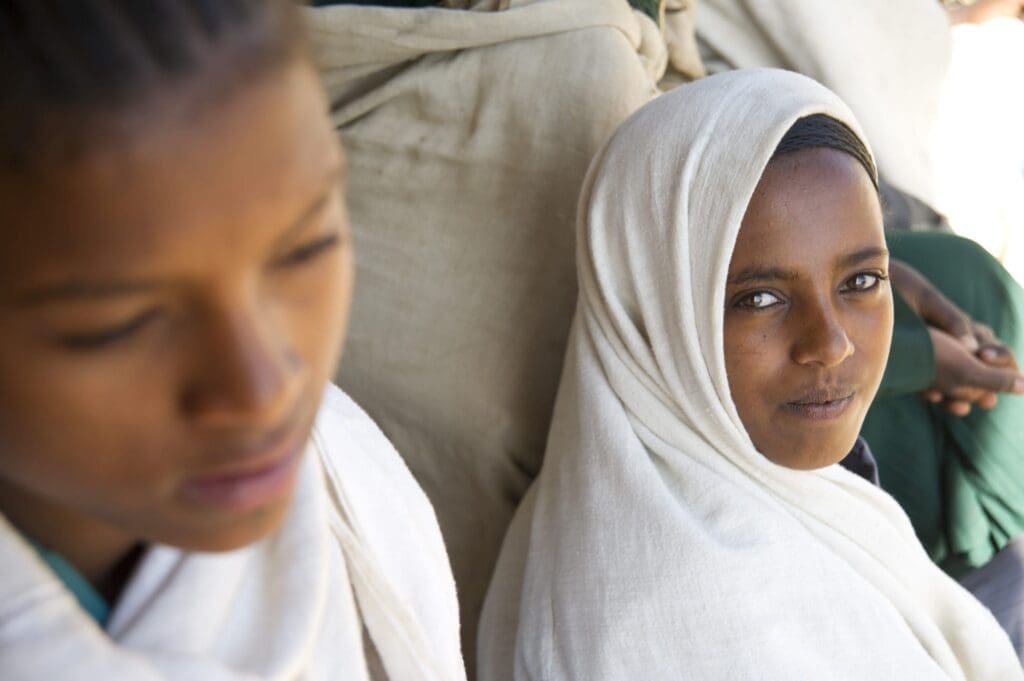
Campaign to End Child Marriage
Drawing on decades of evidence on the causes, consequences, and solutions for child marriage, ICRW started a campaign to educate U.S. policymakers and advocate for legislation that would integrate child marriage prevention efforts into existing programs.
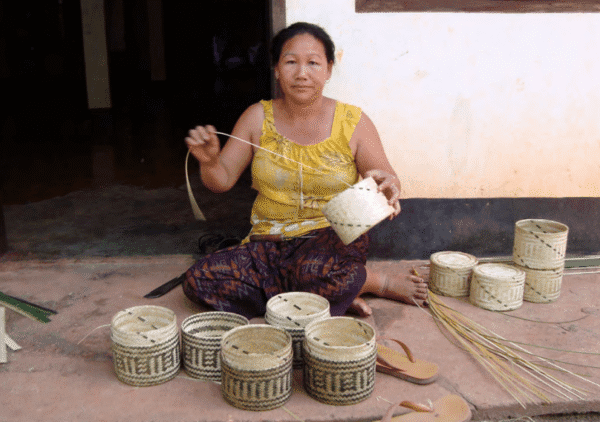
Millennium Development Goals
ICRW co-led the UN Millennium Project Task Force on Education and Gender Equality, recommending seven strategic priorities to advance women’s empowerment under Goal 3 of the Millennium Development Goals.
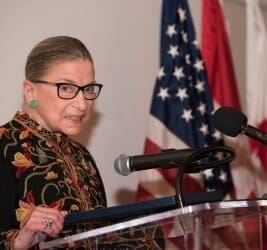
Champions for Change
ICRW launched its Champions for Change Awards to celebrate the possibilities of a gender equitable world and honor the leaders and visionaries who work to make that world a reality.
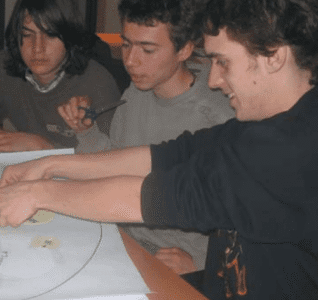
Engaging Men in Gender Equity
ICRW conducted foundational research for the Young Men’s Initiative in Kosovo, an intervention designed to promote gender equitable attitudes and non-violence among young men. The programs create a safe space for adolescent boys and young men to examine issues such as homophobia, sexual and reproductive health, sexual violence, and conflict resolution.
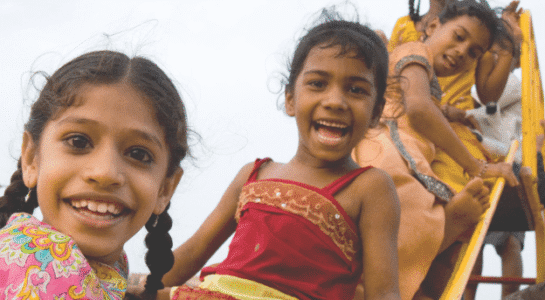
Expanding ICRW-Asia
ICRW expanded its New Delhi office into the Asia Regional Office to lead the implementation of its mission in countries including Bangladesh, Cambodia, China, India, Nepal, Vietnam, and Thailand.
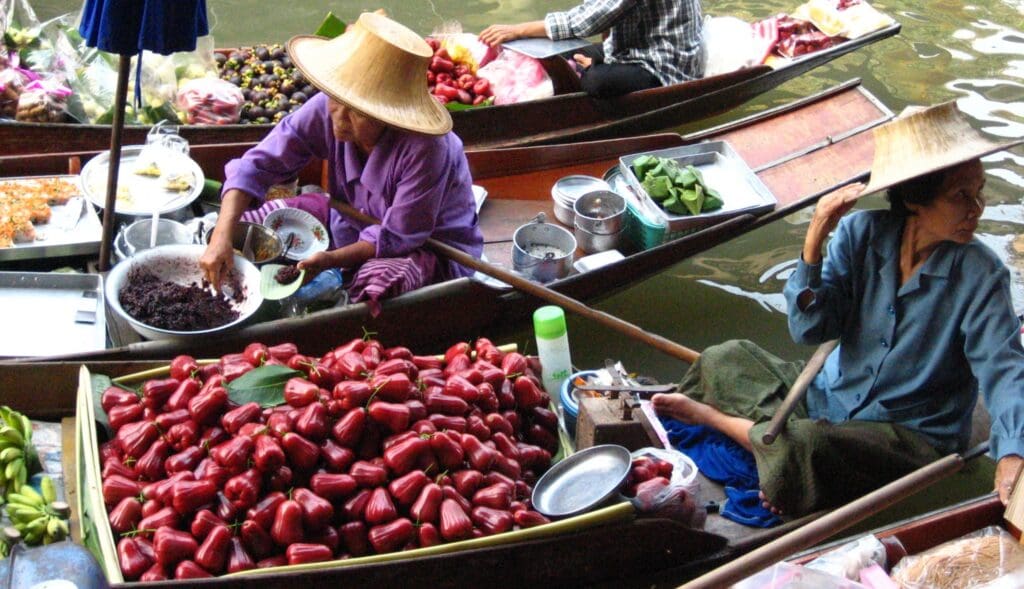
Women and Food Security
ICRW published Women, Food Security and Agriculture in a Global Marketplace, which challenged the development community to recognize women farmers as key economic agents of change, contributing to agricultural and economic growth and food security.
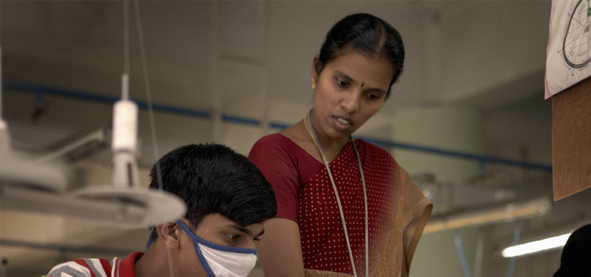
Advising Private Sector Brands
Gap Inc. and ICRW began a 14-year collaboration to provide personal and career training for Gap Inc. supply chain employees worldwide.
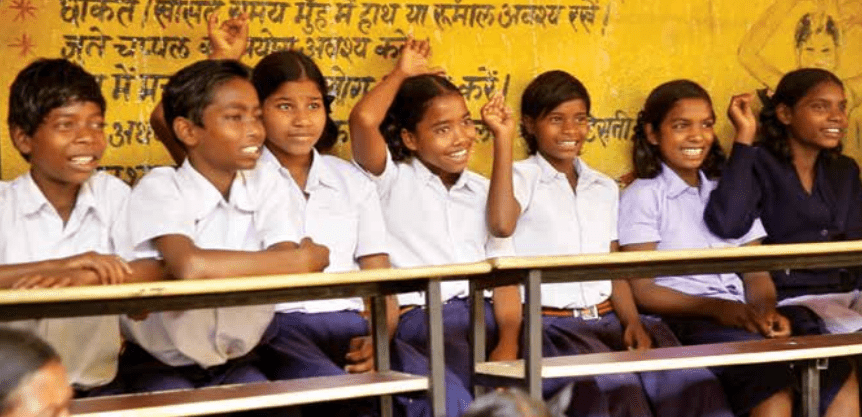
Gender Equity Movement in Schools (GEMS)
ICRW-Asia launched GEMS in 45 schools in Mumbai to promote gender equity and reduce violence through classroom activities and discussions. The program has since been implemented in more than 20,000 schools across India, Bangladesh, and Vietnam.
Reducing HIV Stigma Globally
ICRW launched the Stigma Action Network (SAN) at the International AIDS Conference in Austria. SAN aimed to establish and strengthen research, program, and advocacy strategies to reduce HIV stigma worldwide.
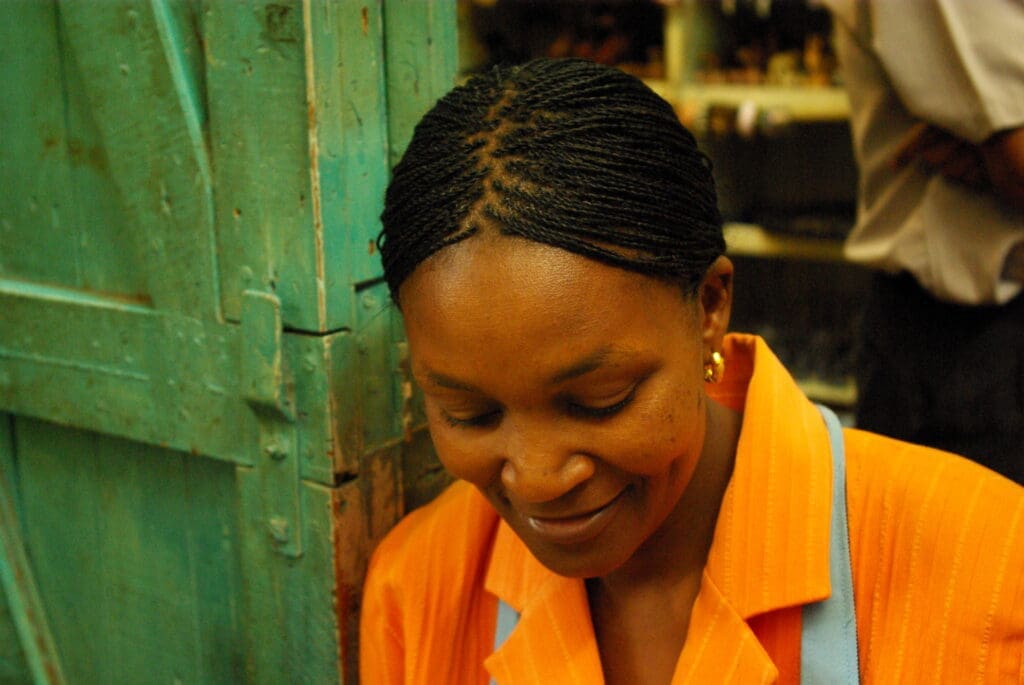
ICRW Turns 35
ICRW celebrated its 35th anniversary with Passports to Progress, a year-long series of high-level discussions on strategies to advance women’s rights.
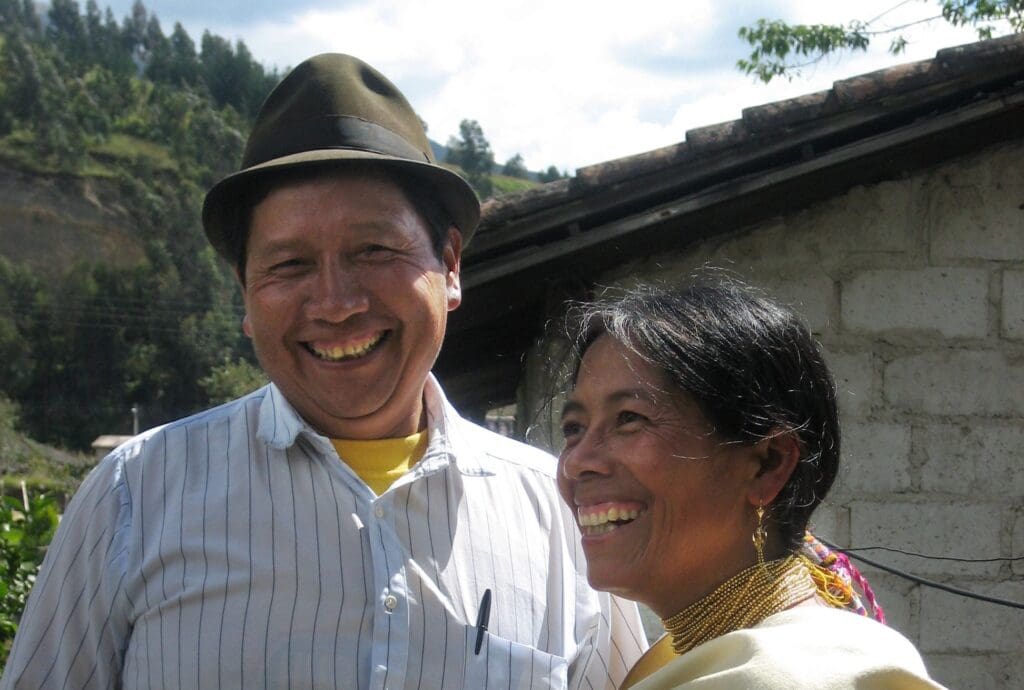
Understanding Men’s Attitudes
ICRW releases the results of the International Men and Gender Equality Survey (IMAGES), a groundbreaking three-year, multi-country household survey of men’s attitudes and practices on a variety of topics related to gender equality. The information provided by IMAGES filled a knowledge gap about men, providing a blueprint for shaping or revising policies and improving existing programs. Since its initial launch, IMAGES has been replicated in dozens of countries, surveying tens of thousands of households.
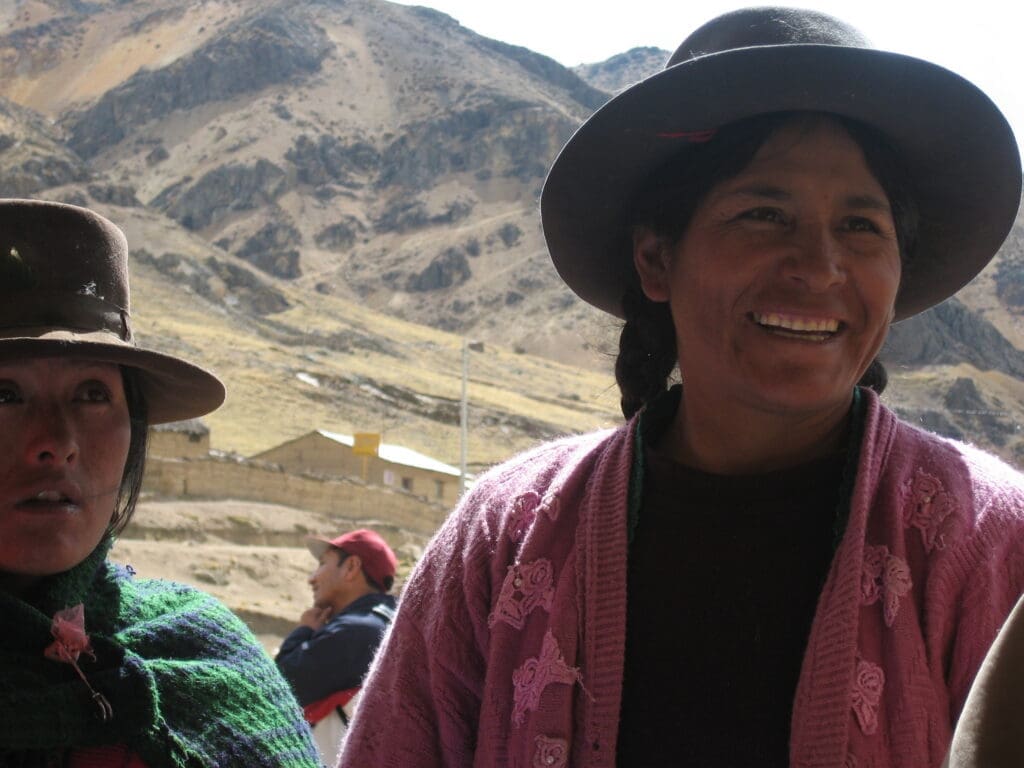
Measuring Women’s Economic Empowerment
ICRW releases Understanding and Measuring Women’s Economic Empowerment, a guide to help institutions — from governments to NGOs to corporations understand the different elements that define economic empowerment in order to evaluate whether programs to strengthen women economically are effective.
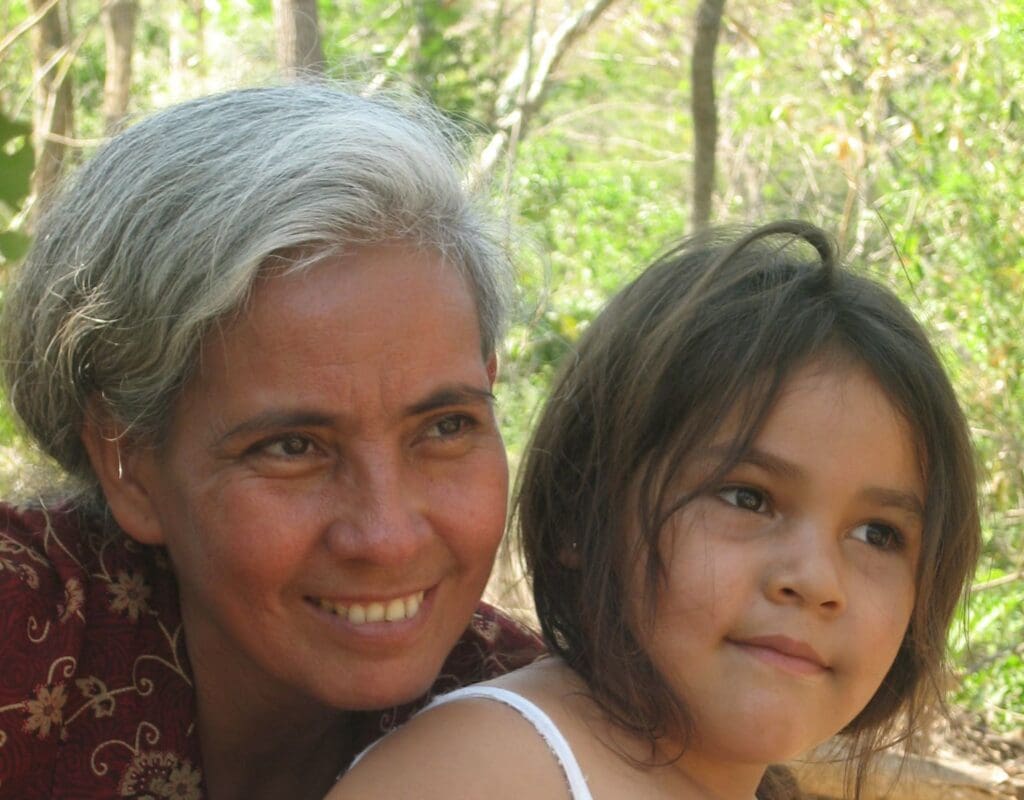
Gender and Property Rights
ICRW and its partners developed and piloted the Gender, Land, and Asset Survey to measure the full spectrum of women’s and men’s property rights—including ownership, use, control, and decision-making over land, housing, and productive assets. The survey demonstrated differences not only in women’s and men’s asset ownership but also in documentation and decision-making.
The Impacts of Child Marriage
ICRW launched the Economic Impacts of Child Marriage project, a multi-year research program to understand the economic impact child marriage has on family and national economies. The research quantified national and household-level losses, strengthening the case for ending the practice and accelerating global policy action.
Gender Equality Becomes a Global Goal
Gender equality is enshrined as Sustainable Development Goal 5, making women’s rights central to the global development agenda.
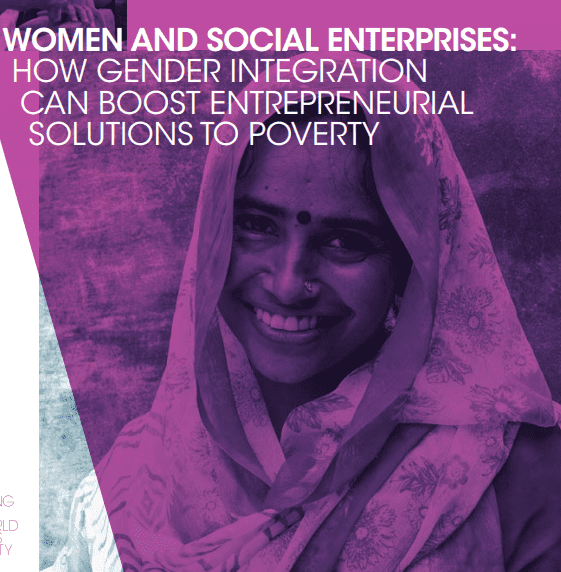
Investing in Women’s Businesses
ICRW examined how impact investors can empower women. Findings show that integrating gender across various levels of the value chain not only improves company performance but also has positive social impacts, including women’s empowerment among employees, entrepreneurs, and customers.
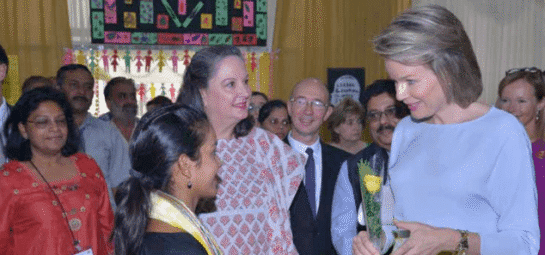
40 Years of Impact
ICRW celebrated its 40th anniversary with a series of events in Washington, DC, New Delhi, and Copenhagen. Each event honored visionary leaders for gender equity.
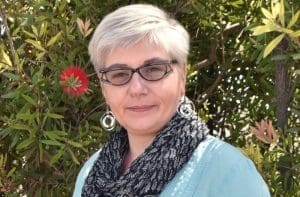
Paula Kantor Award
ICRW established the Paula Kantor Award for Field Research in memory of former colleague Dr. Paula Kantor, a renowned researcher on gender and agriculture. In the spirit of Paula’s legacy of research to advance the economic and social well-being of women in low-income and marginalized communities worldwide, this annual award is given to a young professional female researcher doing field research related to ICRW’s mission.
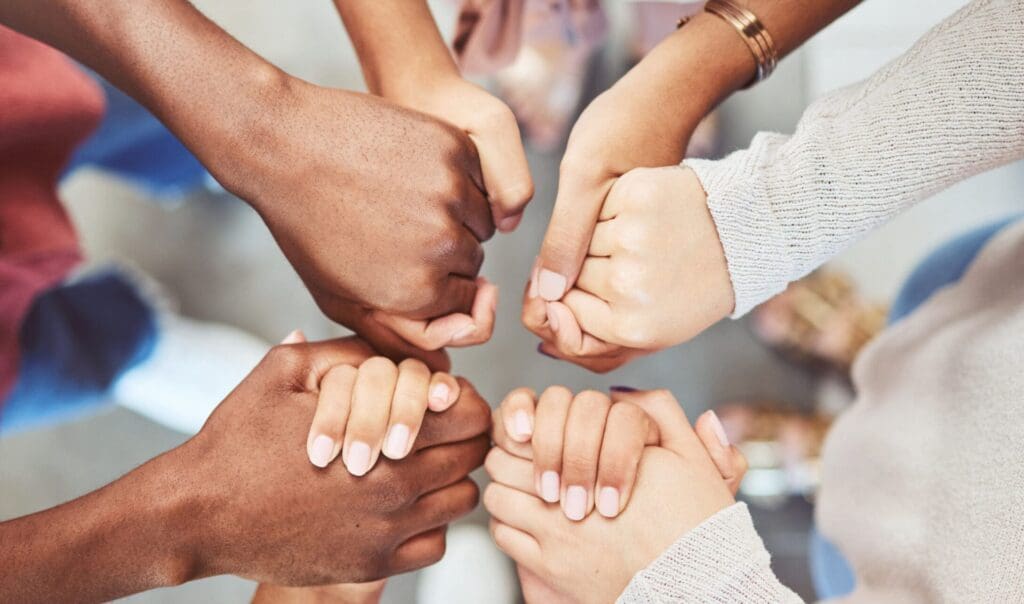
ICRW’s Expansion
ICRW merged with Re:Gender, formerly the National Council for Research on Women, a 35 year-old network of U.S. centers of excellence in gender and women’s studies, to pursue a global mission to advance gender equity, inclusion, and alleviate poverty.
Mariam K. Chamberlain Award
Following the merger with Re:Gender, ICRW assumed stewardship of the Mariam K. Chamberlain Dissertation Award, established by the founder of the National Council for Research on Women to encourage feminist scholarship. The award supports the dissertation research of a first-generation doctoral student in an area of study related to ICRW’s mission.
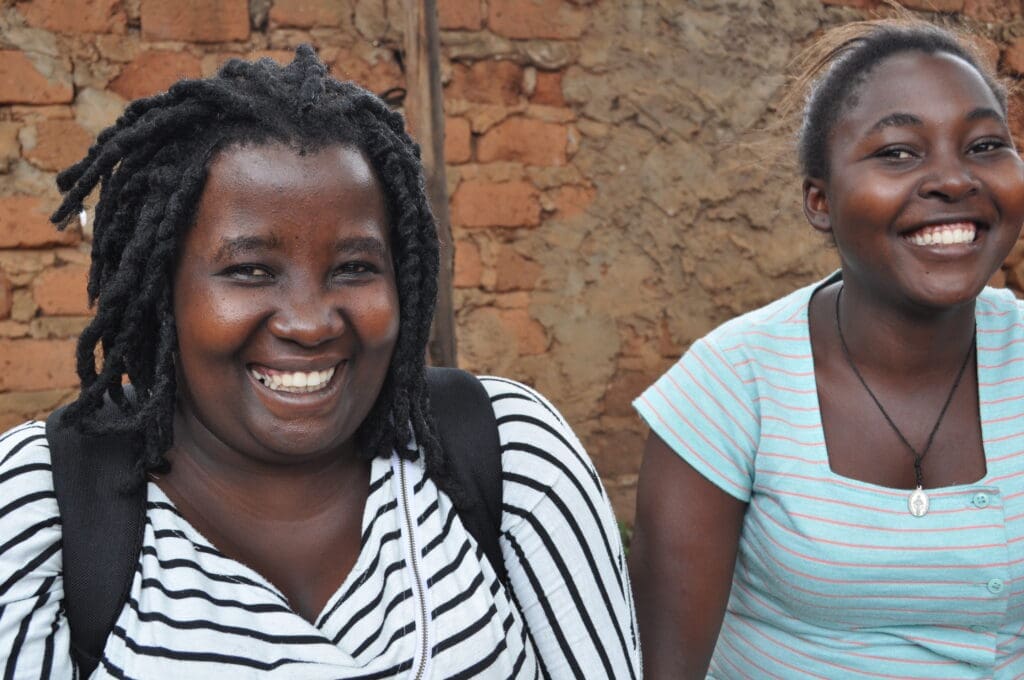
ICRW-Africa
ICRW opened the Africa Regional Office, with offices in Kampala, Uganda, and Nairobi, Kenya, and a focus on gender and development across Africa.
ICRW Advisors
ICRW established ICRW Advisors, a free-standing consulting practice to help leaders achieve lasting organizational and social change in gender equality and women’s empowerment.
Improving Mental Health
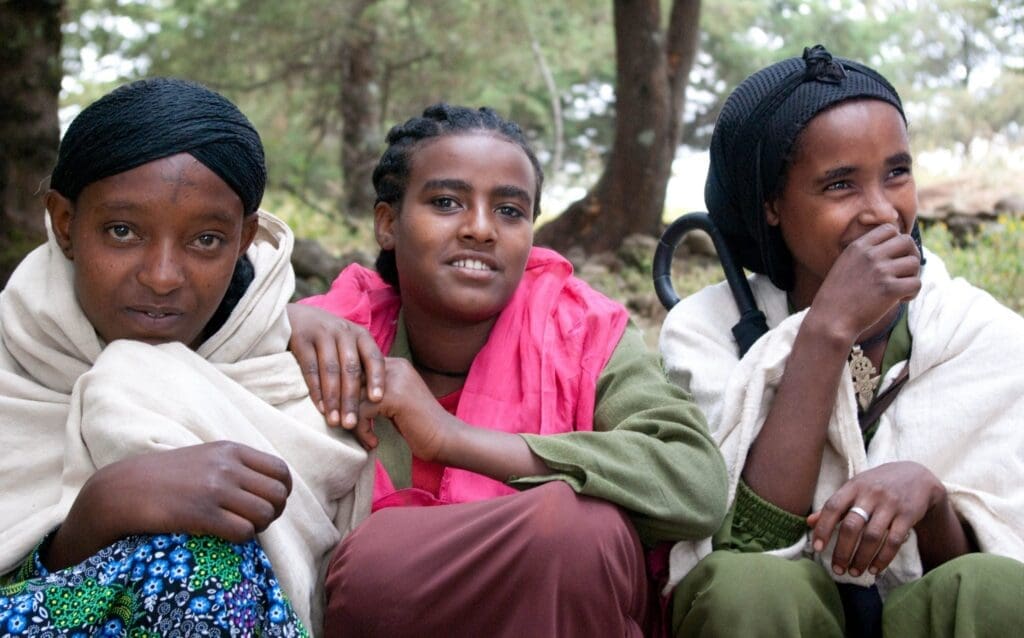
With UNICEF, ICRW convened a consultation to identify research priorities to address and improve adolescent mental health in low- and middle-income countries.
Feminist UN
ICRW released our first Feminist UN report card, assessing the progress of the UN Secretary-General in fostering feminist transformation throughout the UN System. Secretary-General António Guterres was elected amid calls for new feminist leadership at the UN and pledged to advance a feminist agenda as part of his leadership platform, inviting civil society to monitor his success. Following this invitation, ICRW led the creation of the Feminist UN coalition.

ICRW-Netherlands
ICRW is officially registered as a Stichtung in the Netherlands, creating ICRW-Netherlands to expand our research and partnerships in Europe.
Advancing Women’s Economic Power
ICRW helped to found the Coalition for Women’s Economic Empowerment and Equality to advocate for U.S. laws and policies that promote women’s economic empowerment and entrepreneurship. The Coalition worked with U.S. congressional allies to develop and advance the Women’s Entrepreneurship and Economic Empowerment (WEEE) Act of 2018. The Act affirms the importance of women’s rights and recognizes how investments in women’s entrepreneurship and financial inclusion are essential to advancing other global development goals.
#MeToo Movement
The #MeToo movement shattered the prevailing silence on sex-based abuse across workplaces globally. ICRW’s research contextualized sexual violence within broader systems of inequality, adding important new evidence on the economic costs of sexual harassment to businesses.
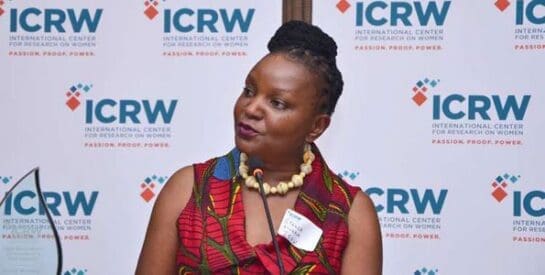
Honoring Staff Leadership
ICRW established the Stella Mukasa Awards for Staff Excellence to recognize exemplary staff who have furthered ICRW’s mission and who embody the attributes of former Africa Regional Director Stella Mukasa, who was fiercely determined, deeply insightful, warm, generous, and passionate about her work.
Feminist Foreign Policy
Beginning in 2018, ICRW led an effort to research, convene, and consult on a global standard for feminist foreign policy. We partnered with leading feminists from more than 40 countries, culminating in a convening to develop recommendations on the definition and core principles of feminist foreign policy.
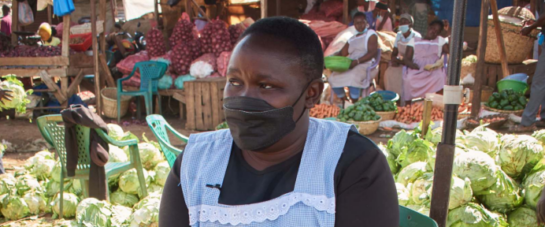
COVID-19 Response
ICRW undertook a policy research study in Kenya, India, and Uganda to understand how government responses to COVID-19 considered women’s unique challenges. The study examined how policy responses impacted livelihoods, gender-based violence, and the sexual and reproductive health of women working in the urban informal economy.
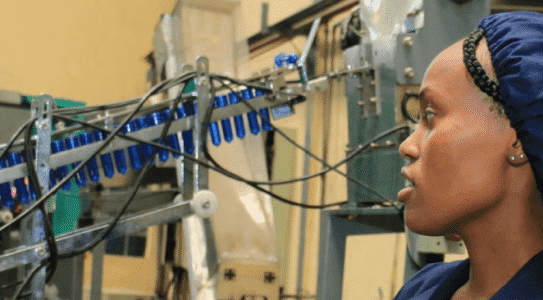
Women in Manufacturing
ICRW-Africa conducted the first research of its kind in Kenya on women in the manufacturing sector, in partnership with the Kenya Association of Manufacturers.
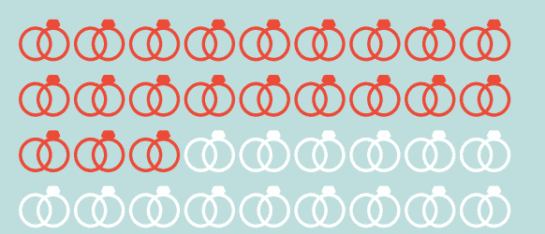
Child Marriage in the U.S.
ICRW-U.S. (now Americas) shifted the focus of research on child marriage to the United States, and specifically, North Carolina. With data from 50 out of 100 counties in North Carolina, the team (with the support of the Buncombe County, NC register of deeds, and other registrars) found that at least 3,949 marriage license applications involving 4,218 minors were filed from 2000 to 2019.
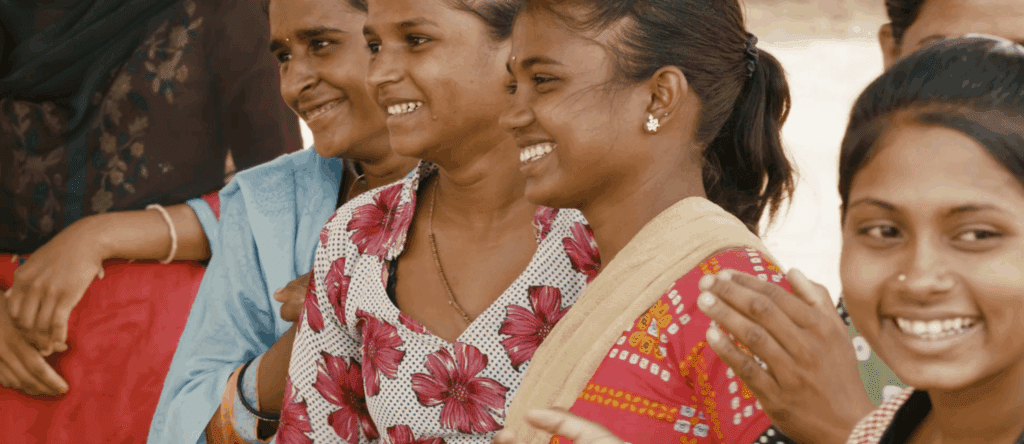
ICRW at 45
ICRW marked 45 years of pioneering research, advocacy, and programs advancing gender equity worldwide.
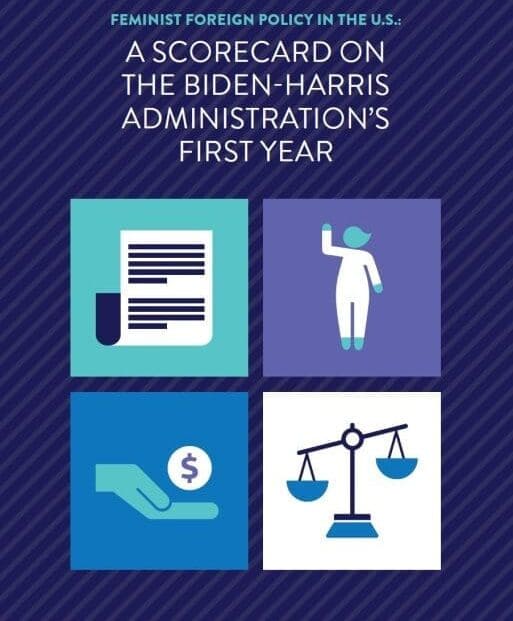
Feminist Foreign Policy in the U.S.
ICRW published an evaluation of the Biden administration’s efforts to advance our core goals of gender equality, human rights, bodily autonomy, environmental integrity, and peace: Feminist Foreign Policy in the U.S.: A Scorecard on the Biden-Harris Administration’s First Year.
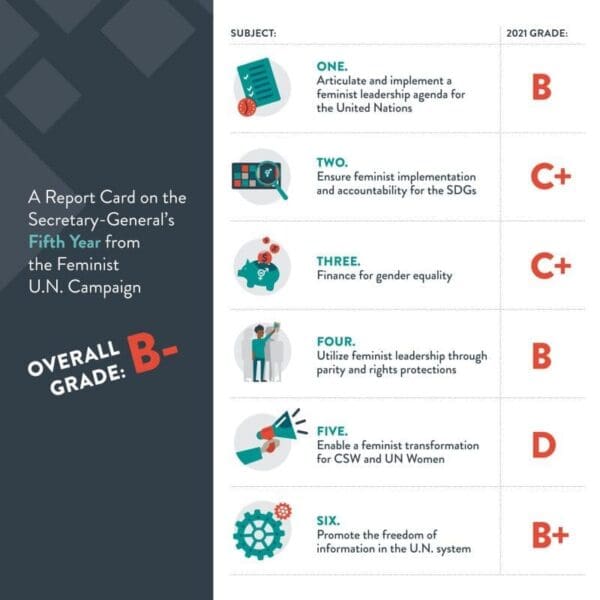
UN Report Card
ICRW issued our fifth annual report card, grading UN Secretary-General António Guterres on his progress toward our recommendations for a more feminist UN system: A Report Card on the Secretary-General’s 5th Year from the Feminist U.N. Campaign.
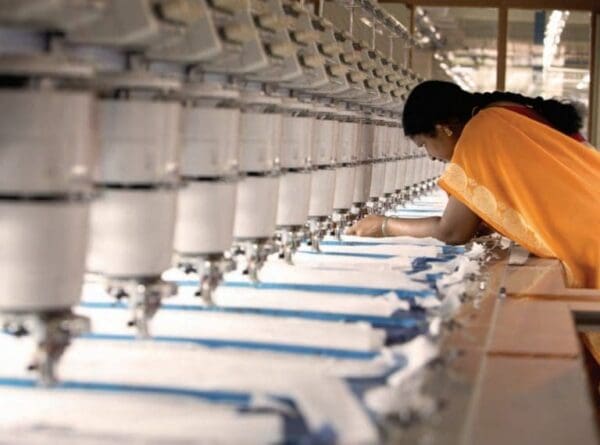
Gender Equity in Supply Chains
ICRW launched the Gender Equity Worker Engagement Group, a partnership among leading brands, including Amazon, Nike, Primark, PUMA, and Ralph Lauren, to improve the working conditions and well-being of women across global supply chains.
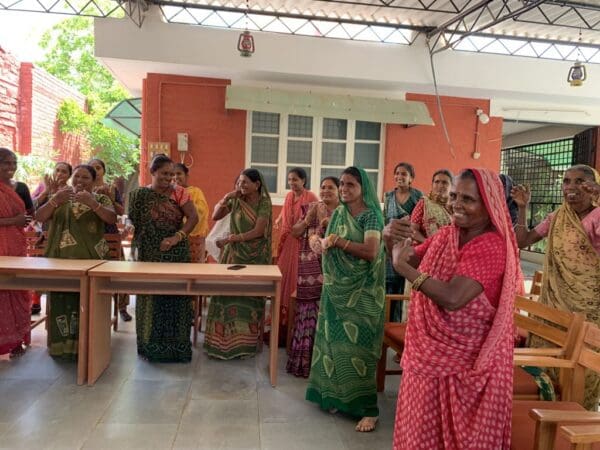
Women Leadership in Climate Action
ICRW-Asia launched the Climate Action portfolio to generate evidence for women-led and women-centric climate solutions and to drive resources and action. We’ve partnered with large-scale women’s collective climate action initiatives to assess their effectiveness in addressing climate change, advancing gender equity, and creating resilient economic opportunities.
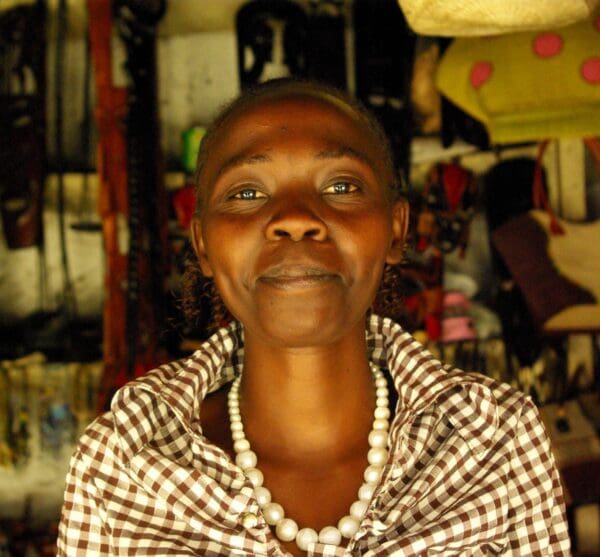
Advancing the Care Economy
ICRW-Africa partnered with the Government of Kenya to support the historic effort to develop the country’s first-ever National Care Policy, providing a comprehensive framework for implementing policy actions to address unpaid and paid care work.
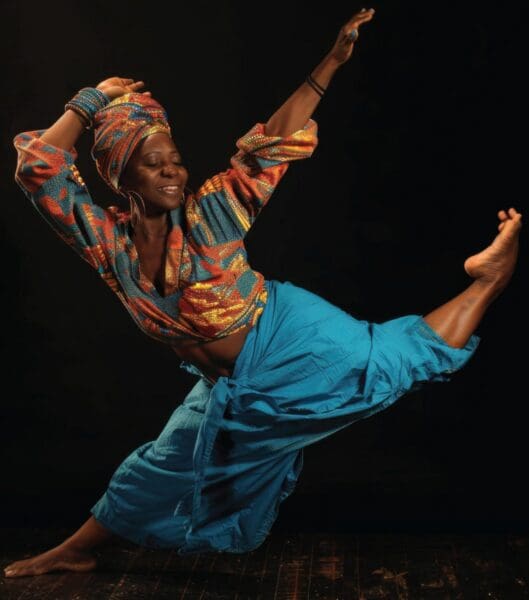
Championing Women Creatives
Through Behind the Scenes, ICRW-Africa partnered with African women creatives to explore how gender norms and practices shape their journeys, igniting critical discussions on and advocating for inclusive policies, equitable funding, and safer work environments.
Reproductive Health Justice
Following the fall of Roe v. Wade in the U.S., ICRW led VITAL to share lessons and co-create knowledge alongside abortion rights activists and advocates in Argentina, Mexico, Colombia, and the United States. The project explored whether and how effective tactics and strategies developed in one cultural, political, and geographic context can be adapted and applied elsewhere.
Breaking the Silence on Menopause
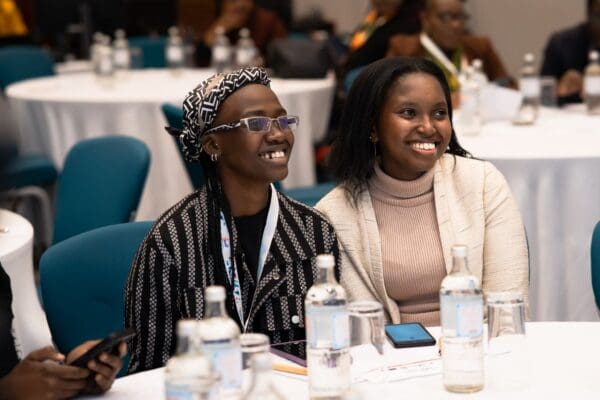
ICRW-Africa, in collaboration with Reproductive Health Network Kenya, hosted Kenya’s first-ever National Conference on Menopause, bringing dignity, awareness, and urgency to a long-overdue conversation.
ICRW Network
ICRW evolved into a decentralized global network consisting of ICRW-Africa, ICRW-Americas, and ICRW-Asia. Our transformation places leadership and decision-making closer to the communities we serve.
GET INVOLVED
Our work is only possible because people like you act with courage in the face of setbacks and meet the moment with conviction. As we look ahead to the next 50 years, we ask for your continued support and invite you to join us in shaping the future. Together, we can make gender equity a reality for communities everywhere.
UPCOMING EVENTS AND OPPORTUNITIES
Engage with us throughout 2026.
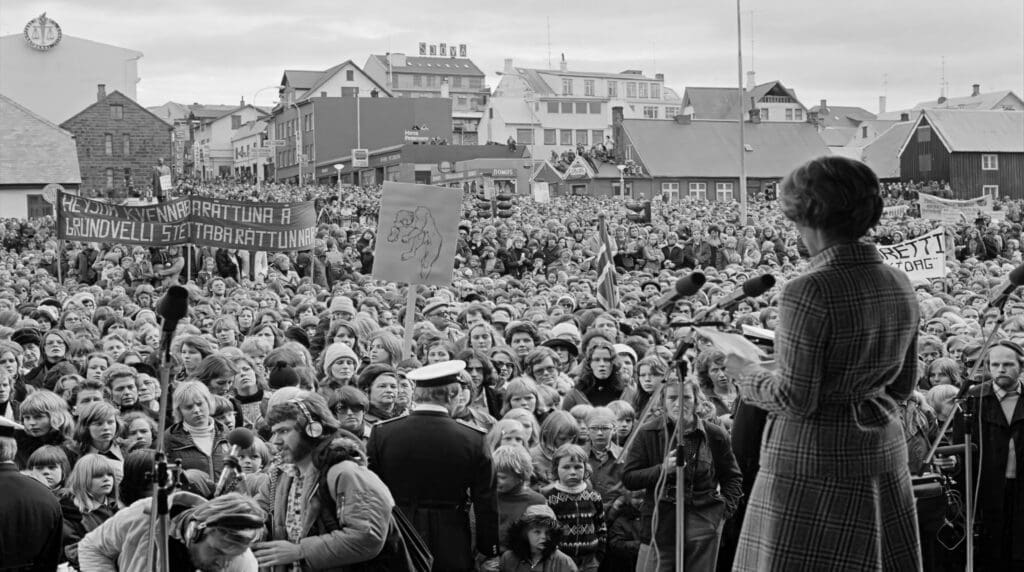
The Day Iceland Stood Still
Join us for a screening of The Day Iceland Stood Still followed by a conversation featuring ICRW's founding member and former President, Mayra Buvinic.
RSVP
Paula Kantor Award for Excellence in Field Research
The 2026 Paula Kantor Award nomination cycle is open! Nominate a young woman researcher today!
NOMINATE
Mariam K. Chamberlain Award
Applications are open for the Mariam K. Chamberlain Award to support a Ph.D. graduate student whose dissertation is related to ICRW’s mission to advance gender equity, social inclusion, and shared prosperity.
APPLY
BE A CHAMPION OF CHANGE
Amplify your impact by investing in building more equitable societies and inclusive systems.
The 50-Year Challenge
Honor five decades of progress and join a circle of global changemakers to help shape the next chapter of gender equity
ACCEPT THE CHALLENGEThe ICRW Pledge
Step into a legacy of impact and enable us to work across borders and generations to transform the systems that sustain inequality
TAKE THE PLEDGESupport our work
Join us to help advance the rights and opportunities for women, girls, and structurally excluded people
DONATESubscribe to stay informed
Subscribe to receive updates on ICRW's work and opportunities to get involved as we commemorate our 50th anniversary.